Scrolling into Dizziness: The Hidden Link Between Social Media, Tech Neck & Cervicogenic Dysfunction

What your daily scrolling habits may be doing to your neck, your brain, and your balance
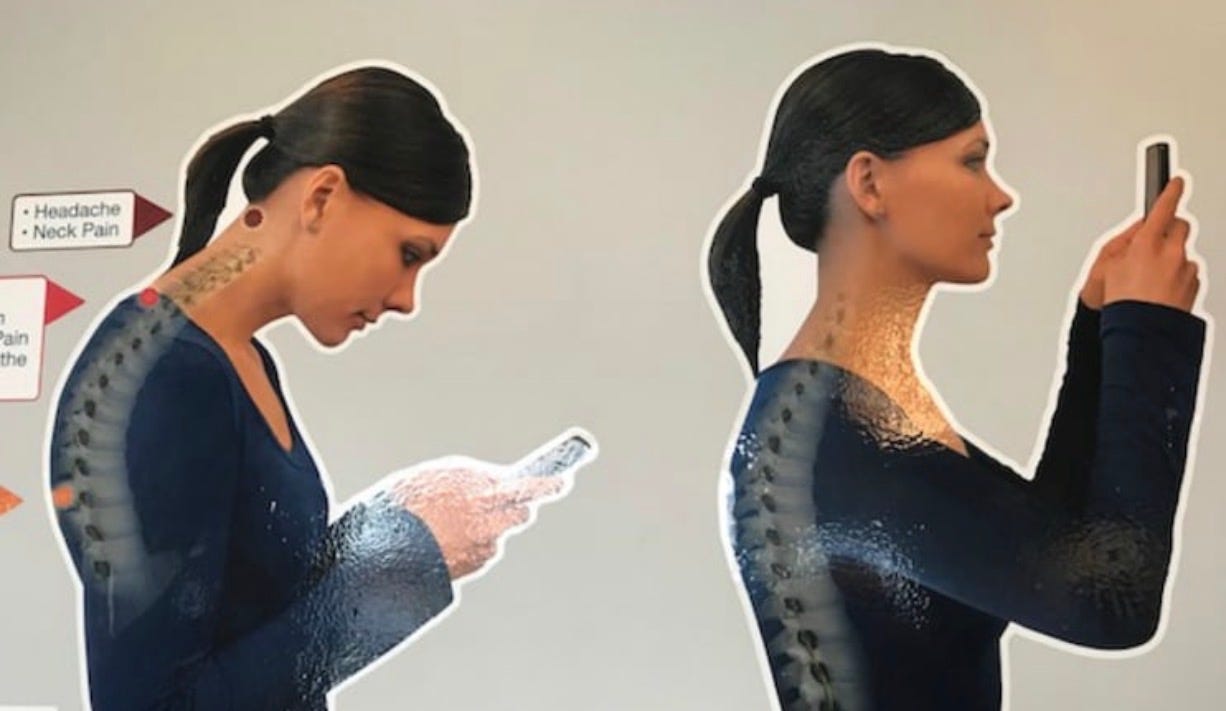
You’re Not Crazy—And You’re Not Alone
You’re not spinning.
You’re not sick.
And your MRI is probably “normal.”
But something feels off.
Lightheaded.
Unsteady.
A little foggy—especially after you’ve been on your phone.
As a physical therapist with over 30 years of experience in orthopedic and vestibular care, I am seeing this pattern more than ever—particularly in adults over 40.
Patients come in with vague dizziness that doesn’t fit a classic diagnosis. They’ve had imaging. They’ve seen specialists. And yet, their symptoms persist.
Then I ask one simple question:
“How much time are you spending on your phone each day?”
That’s when the story starts to make sense.
A New Kind of Dizziness
Dizziness today is no longer just a vestibular issue.
It is increasingly a multisystem problem—driven by posture, visual demand, and lifestyle habits.
At the center of this shift:
Prolonged social media use combined with sustained forward head posture—what we now call “tech neck.”
The Physiology Behind the Scroll
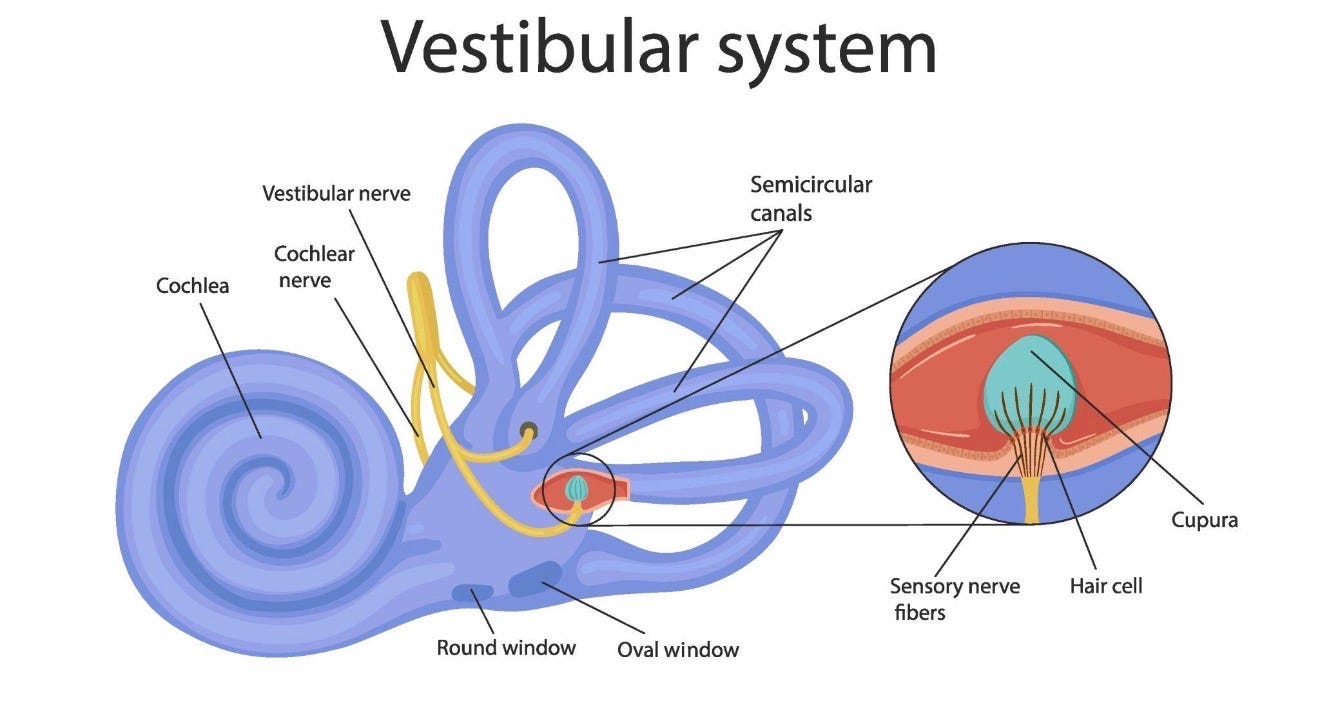
1. Visual–Vestibular Mismatch
Your brain depends on alignment between three systems
Visual - Vestibular- Somatosensory
Social media disrupts this balance.
Your eyes perceive constant motion
Your body remains still
This sensory conflict can produce dizziness, motion sensitivity, and that “floaty” feeling patients struggle to describe.
2. Cervicogenic Dysfunction: The Missing Link
Now layer in posture.
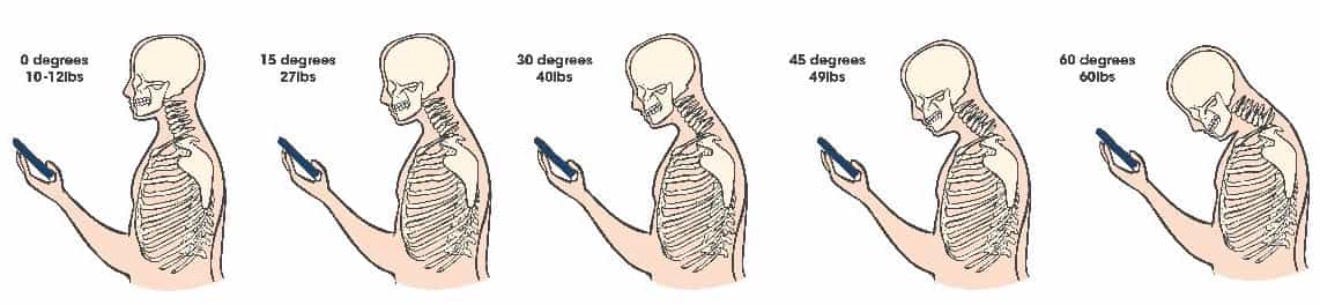
Sustained downward gaze leads to:
Forward head posture
Increased cervical loading
Muscle imbalance
But the most important change is subtle:
Disruption of cervical proprioception.
The upper cervical spine (C1–C3) provides critical feedback about head position. When this input becomes distorted, the brain receives inaccurate information about where the head is in space.
Result:
Disequilibrium
Lightheadedness
Cervicogenic dizziness
When Degenerative Disc Disease Enters the Picture
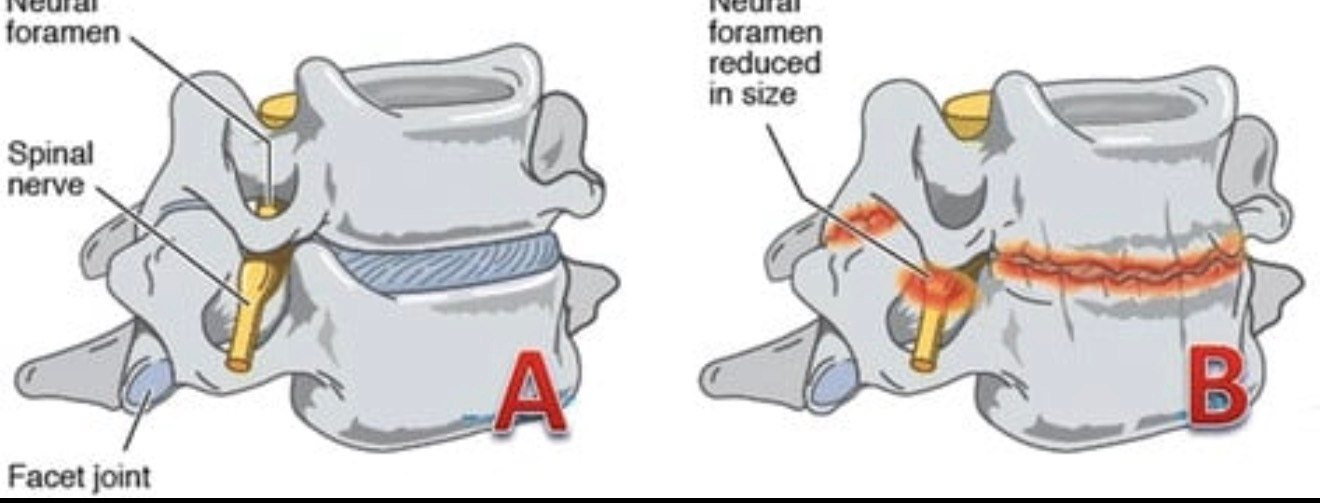
In the aging population, this becomes even more significant.
With cervical degenerative disc disease (DDD):
Disc height is reduced
Joint mobility is limited
Mechanoreceptor input is altered
Now combine that with:
Prolonged flexed posture
Repetitive strain
Reduced movement variability
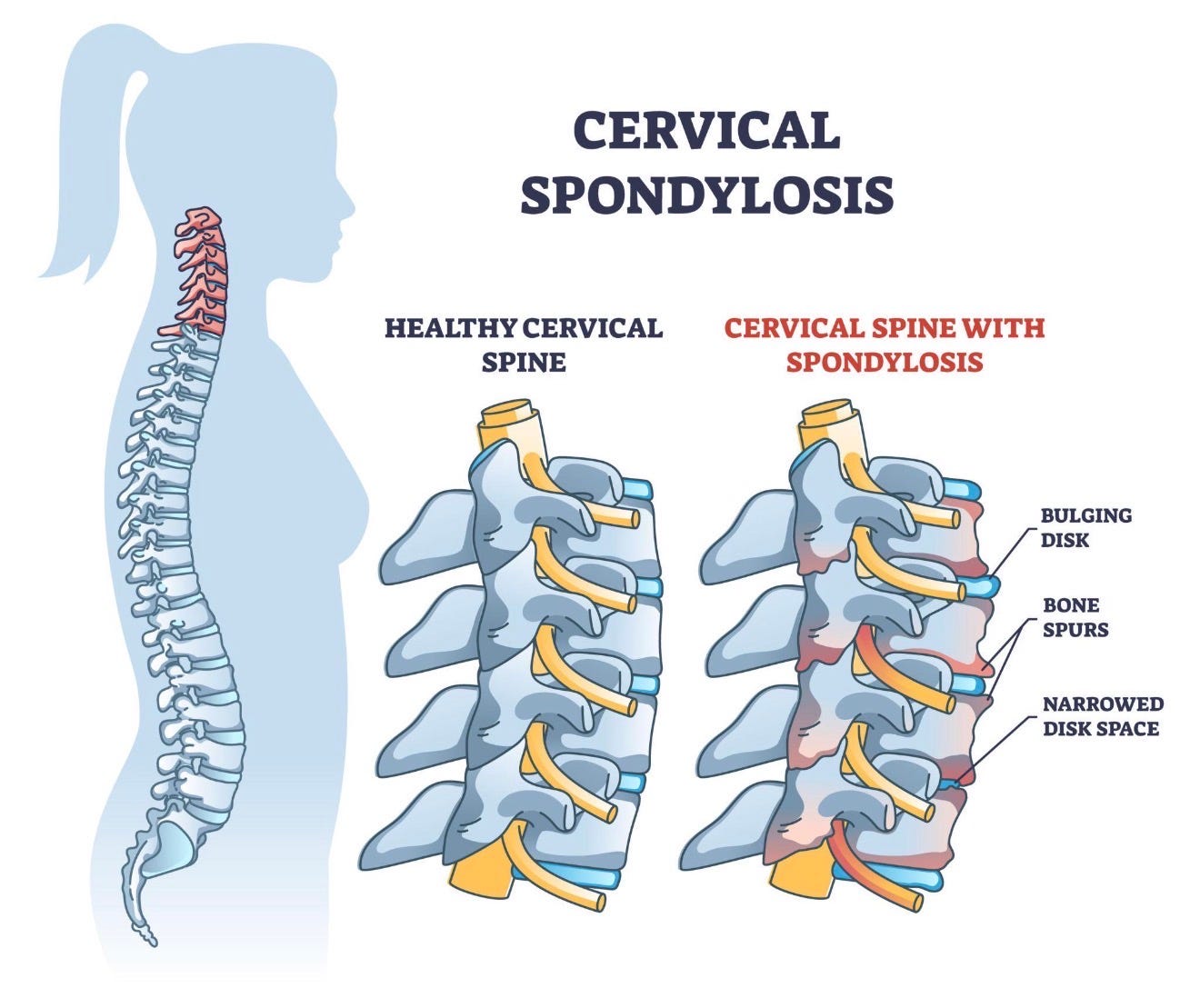
The cervical spine becomes an unreliable source of positional input—and the brain responds with dizziness.
The Patient You’re Probably Seeing
A 62-year-old female presents with:
Intermittent lightheadedness
Neck stiffness and limited rotation
Suboccipital headaches
Symptoms worse after scrolling on her phone
Postural findings:
Forward head posture
Increased thoracic kyphosis
Clinical findings:
Impaired joint position sense
Cervical muscle imbalance
Oculomotor fatigue
Diagnosis: Cervicogenic dizziness compounded by visual–vestibular mismatch and postural dysfunction.
It’s Not Just the Neck
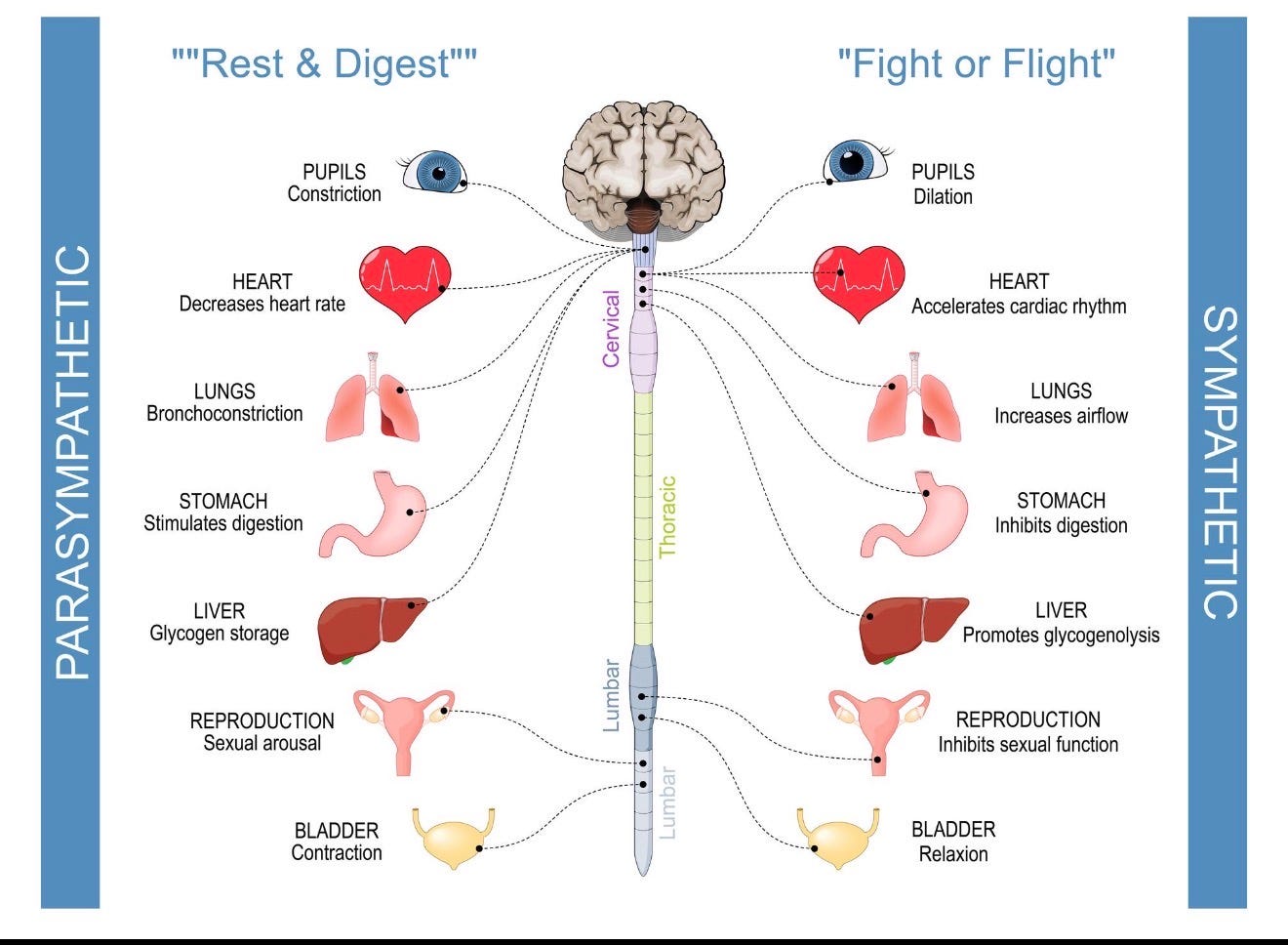
Additional contributors often include:
Eye strain and reduced blinking
Shallow breathing in flexed posture
Reduced circulation
Mild dehydration
All of which amplify:
Fatigue
Brain fog
Lightheadedness
Rehabilitation: Treat the System, Not Just the Symptom
Effective treatment requires a multisystem approach:
Postural Re-education
Reduce sustained cervical flexion
Promote neutral alignment
Cervical Proprioception Training
Joint position sense retraining
Deep neck flexor activation
Vestibular Rehabilitation
Gaze stabilization
Sensory integration
Oculomotor Training
Smooth pursuits
Saccades
Convergence
Behavioral Modifications
Limit prolonged scrolling
Take frequent breaks
Raise your device to eye level
Why This Matters
We are no longer just treating pathology.
We are treating patterns of modern living.
Dizziness is not always an inner ear problem.
Sometimes, it is a posture problem.
And increasingly—it is a lifestyle problem.
Final Thought
If you are a clinician, trust what you are seeing—this pattern is real.
If you are a patient, your symptoms are valid—and often reversible.
Sometimes the first step toward feeling better isn’t another test.
It’s simply this:
Look up. Move more. And give your body the alignment it was designed for.
Excellent overview!